 Skip to content
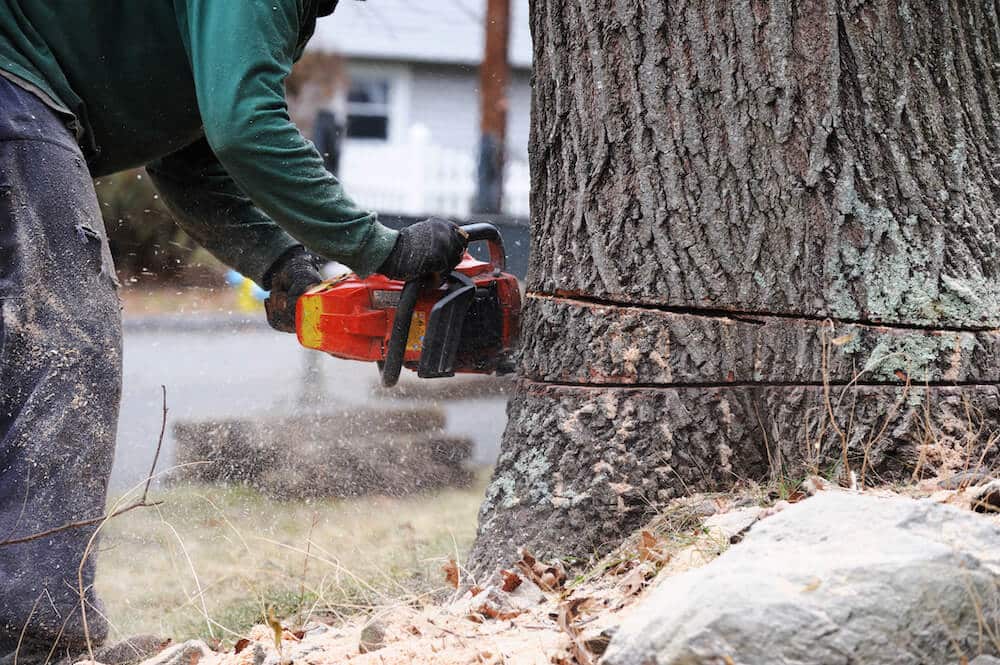
We have all seen it: a beautiful, manicured lawn in a Southern California neighborhood, marred by a single, rotting stump in the middle. Maybe the tree died years ago, or maybe it was blown over in a storm. The homeowner cut it down to ground level and decided to “let nature take its course” for the rest.
While leaving a stump might seem like a way to save money on tree removal, it is often a false economy. A tree stump is not an inert object like a rock; it is a decaying piece of organic matter that is slowly rotting into the earth. In our region, this decaying wood becomes a beacon for pests, a liability for safety, and a barrier to future landscaping. Removing the “ghost” of the tree is the only way to truly finish the job and protect your property.
The Termite Magnet: Don’t Feed the Pests
The biggest threat a stump poses is not to your lawn mower, but to your house. Southern California is home to the voracious Subterranean Termite. These pests are constantly foraging for cellulose (wood) to eat. A rotting stump acts as a massive, all-you-can-eat buffet for a termite colony.
Once a colony establishes itself in a stump, they will rapidly expand their territory. If that stump is within foraging distance of your home (which can be up to 100 yards), the termites will eventually find the wood in your walls. By leaving a stump in the ground, you are essentially baiting pests to come closer to your foundation. Pest control resources like Orkin frequently advise that removing wood debris and stumps from the yard is the first step in integrated pest management. It removes the food source and the habitat, forcing the termites to look elsewhere.
Trip Hazards and Liability
Beyond the bugs, stumps are a physical hazard. Over time, grass and weeds can grow tall around the stump, hiding it from view. This creates a dangerous trip hazard for children playing in the yard, guests at a barbecue, or even neighbors walking by if the stump is near the sidewalk.
If someone trips over a stump on your property and injures themselves, you could be held liable for their medical bills. This is a common issue in HOA common areas and rental properties. Furthermore, as the roots decompose underground, they can create sinkholes or soft spots in the lawn that can twist an ankle or damage lawn equipment. Safety organizations like the National Safety Council highlight that maintaining a clear, level walking surface is essential for preventing falls at home. Grinding the stump is the only way to level the playing field.
Grinding vs. Digging: The Less Invasive Option
Homeowners sometimes attempt to remove stumps themselves using a shovel, an axe, and a truck chain. This is back-breaking, dangerous work. A mature tree has a root ball that can extend feet into the ground and weigh hundreds of pounds. Trying to yank it out often results in broken vehicle transmissions or damaged irrigation lines.
Professional Stump Grinding is the surgical alternative. We use a specialized machine with a carbide-tipped cutting wheel. This wheel grinds the wood into small chips, shaving the stump down from the top. We grind 6 to 12 inches below the soil grade, effectively severing the root collar. The result is a pile of wood chips (which makes excellent mulch) and a hole that can be filled with fresh topsoil. This process leaves the surrounding lawn intact and prepares the ground for immediate replanting. Landscaping experts at The Spruce note that grinding is the most efficient method for stump removal because it eliminates the need to haul away a massive root ball.
Your Southern California Experts for Stump Grinding Service
Stop mowing around that eyesore and stop inviting termites to dinner. We possess the heavy-duty grinders necessary to turn even the largest stumps into sawdust quickly and cleanly. Trust Rancho Tree Care to help you reclaim your yard. Learn more about our Stump Grinding Service or schedule a removal today via our Contact Us page.