 Skip to content
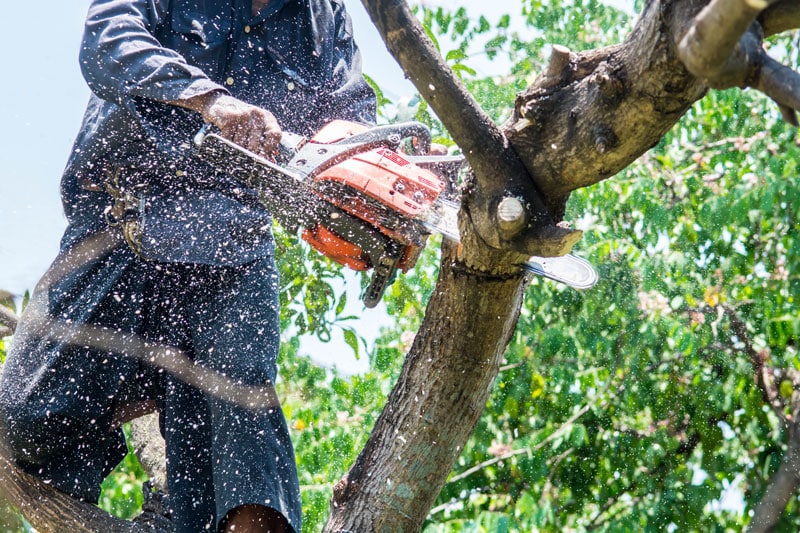
Managing a Homeowners Association (HOA) in Southern California is a complex job. You are balancing the desires of residents who want lush, shaded streets with the fiduciary responsibility of the Board to maintain property values and safety. In this ecosystem, trees are often the biggest asset and the biggest liability.
A well-maintained urban forest can increase property values in a community by up to 20%. Trees cool the pavement, reduce energy costs for residents, and create the “curb appeal” that attracts buyers. However, a neglected urban forest is a lawsuit waiting to happen. Lifted sidewalks, dropped branches on parked cars, and root intrusion into plumbing are constant headaches for property managers. Successful HOA tree care requires a shift from “reactive” maintenance (fixing things when they break) to “proactive” management.
Mitigating Liability: The Safety Priority
The primary concern for any HOA Board is liability. If a tree branch falls and injures a resident or damages a vehicle in a common area, the Association is often on the hook. This is especially true if the tree showed visible signs of distress that were ignored.
Regular, documented tree inspections are the shield against negligence claims. A professional tree service provides an inventory and health assessment of every tree in the common area. We identify hazards—like heavy lateral limbs overhanging playgrounds or dead palms that could drop fronds—and prioritize them for immediate removal or pruning. Organizations like the Community Associations Institute (CAI) frequently highlight that a documented maintenance plan is the best defense in litigation involving landscape accidents.
The “Grid Pruning” Approach: Efficiency and Budgeting
One of the biggest friction points in HOAs is the budget. Tree work is expensive, and doing it piecemeal—calling a truck out every time a resident complains about one tree—is the most expensive way to operate. The mobilization costs alone eat up the budget.
We advocate for “Grid Pruning” or cycle pruning. This involves dividing the community into zones (e.g., Zone A, B, and C) and trimming all the trees in one zone each year. Over a 3-year cycle, every tree in the community gets attention. This approach offers massive economies of scale, lowering the cost per tree significantly. It also ensures aesthetic consistency; you don’t end up with one street looking manicured and the next looking like a jungle. This predictability allows Boards to forecast budgets accurately for years in advance, avoiding the dreaded “special assessment” for landscape overages.
Navigating Resident Relations
Finally, there is the human element. Trees are emotional. One resident hates the tree dropping leaves on their driveway; the neighbor loves the shade it provides. HOA tree care involves navigating these conflicting desires.
A professional tree service acts as a neutral third party. We base our recommendations on arboriculture standards (ANSI A300), not personal preference. When a resident demands a tree be “topped” (a harmful practice) to improve their view, we can explain why that violates industry standards and endangers the tree, taking the pressure off the property manager. We also handle the notification process, ensuring residents know when trimming crews will be on their street to move cars and secure pets. Resources like Tree Care Industry Association (TCIA) offer standards that help professionals explain the “why” behind tree care decisions to concerned residents.
Your Southern California Experts for HOA Tree Services
We understand the unique pressures of property management. We provide the documentation, consistency, and safety protocols needed to keep your Board happy and your residents safe. From large-scale grid pruning to emergency storm response, we are your partner in community management. Trust Rancho Tree Care to protect your community’s urban forest. Explore our comprehensive HOA Tree Services or request a proposal via our Contact Us link.