 Skip to content
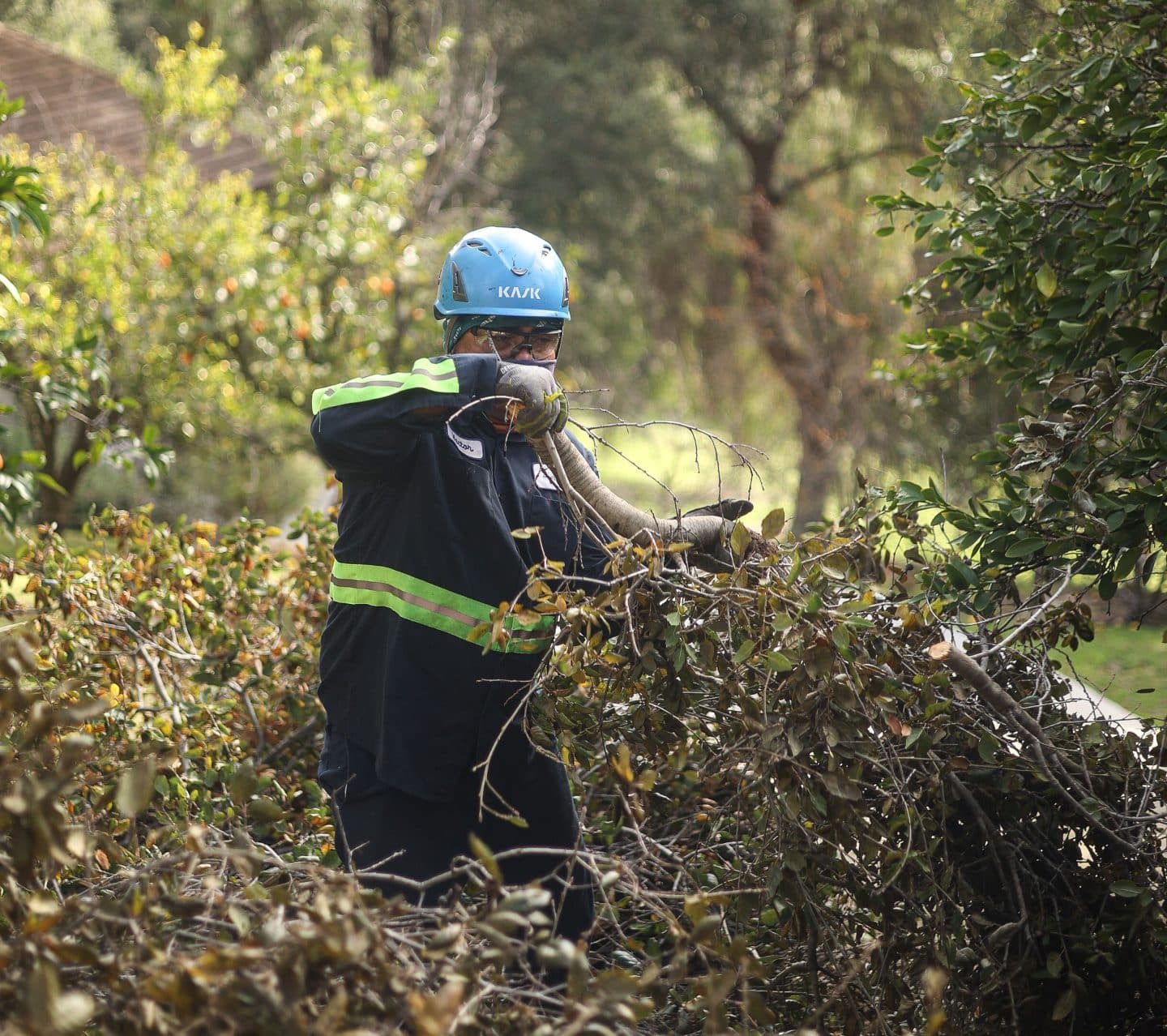
Living in the beautiful, sun-drenched landscape of Southern California comes with a responsibility that every homeowner must take seriously: wildfire preparedness. As our communities continue to exist within the wildland-urban interface, creating “defensible space” around your home is not just a suggestion; it is one of the most critical and effective actions you can take to protect your family, your home, and our firefighters. At the heart of creating this defensible space is the meticulous process of brush clearing. This involves the selective removal of flammable vegetation to slow the spread of a wildfire and create a safe zone for firefighters to defend your property.
Understanding Defensible Space
Defensible space is the buffer zone you create between your home and the surrounding grass, trees, shrubs, and any wildland area. This space is needed to slow or stop the spread of wildfire and to protect your home from catching fire, either from direct flame contact or from radiant heat. It is also a critical safety zone that provides firefighters with the room they need to safely defend your home.
The concept of defensible space is mandated by California law and is a cornerstone of the fire prevention strategy promoted by CAL FIRE. The law requires that homeowners in high fire hazard areas maintain a defensible space of at least 100 feet around their homes. This 100-foot zone is typically broken down into two parts:
- Zone 1 (The Immediate 30 Feet): This zone, extending 30 feet out from your house, requires the highest level of clearing. It should be a “lean, clean, and green” zone. This means removing all dead plants, grass, and weeds. Trees should be pruned to remove any branches that are within 10 feet of your chimney or roof.
- Zone 2 (The 30- to 100-Foot Zone): In this zone, the goal is to reduce the fuel load. Grass should be mowed to a maximum height of 4 inches. You should create horizontal and vertical space between shrubs and trees to prevent a fire from climbing from the ground up into the treetops.
The official CAL FIRE “Ready for Wildfire” website provides detailed guidelines and diagrams for creating these crucial zones.
The Process of Professional Brush Clearing
Creating and maintaining defensible space is a labor-intensive job that often requires professional equipment and expertise. A professional brush clearing service will:
- Clear all dead and dry grass, weeds, and brush.
- Remove “ladder fuels,” which are low-hanging branches and shrubs that can allow a ground fire to climb up into the trees.
- Thin out dense clusters of trees and shrubs.
- Haul away all the cleared vegetation, leaving your property clean and compliant.
This isn’t just a one-time job. Defensible space requires ongoing maintenance, as grasses and weeds will grow back each season.
Why It’s So Important
A home with proper defensible space is far more likely to survive a wildfire. The cleared space robs an approaching fire of its fuel, causing it to slow down, drop in intensity, and in some cases, stop altogether. It also significantly reduces the risk of your home being ignited by radiant heat from the flames. As the National Fire Protection Association’s Firewise USA® program has shown through years of research, homes with well-maintained defensible space have a dramatically higher survival rate.
Your Southern California Brush Clearing Experts
In our fire-prone region, creating and maintaining defensible space is a critical responsibility for every homeowner. For residents throughout Southern California who need help creating a safe and compliant property, the team at Rancho Tree Care provides professional brush clearing services. Contact us today for a consultation to ensure your home is protected.